
Cloud Computing: Scaling Your Business Infrastructure

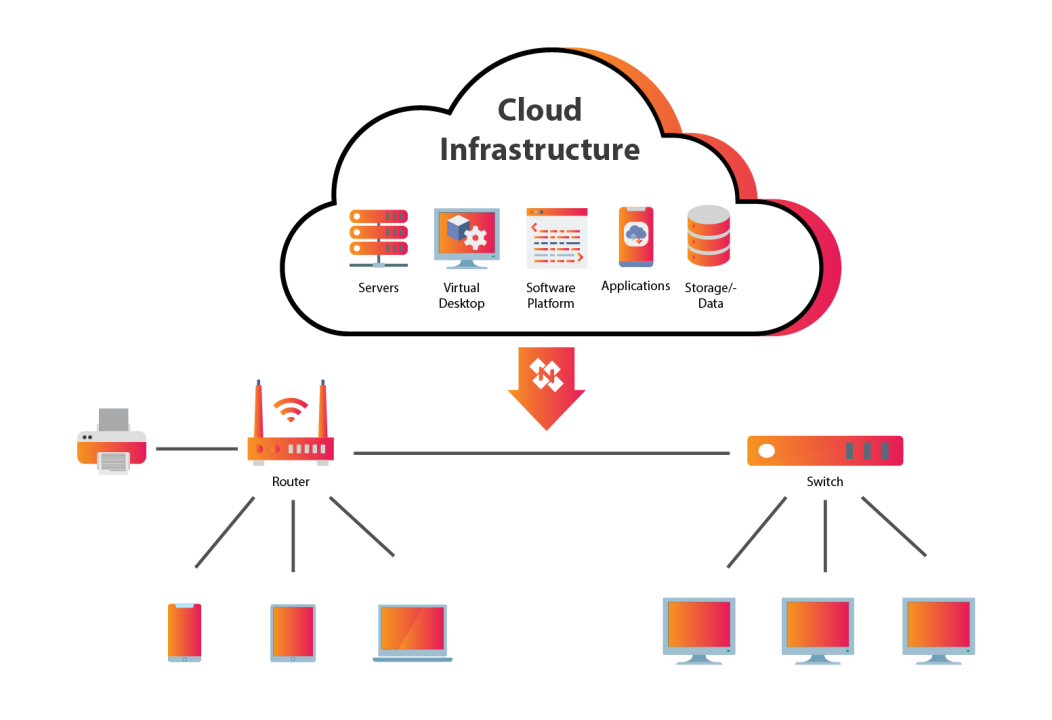
Cloud computing has fundamentally changed how businesses manage their IT infrastructure. By leveraging cloud services, organizations can access computing resources—like servers, storage, databases, and software—over the internet on a pay-as-you-go basis.
Scalability and Flexibility
One of the biggest advantages of the cloud is its inherent scalability. Businesses can easily scale their resources up or down based on demand, without the need for significant upfront investments in physical hardware. This flexibility allows companies to adapt quickly to changing market conditions.
Cost-Effectiveness
Cloud computing eliminates the capital expenditure associated with buying and maintaining hardware and software. Instead, businesses pay only for the resources they consume, shifting costs to operational expenses and often resulting in significant savings.
Enhanced Security
Major cloud providers invest heavily in security measures, often exceeding what individual businesses can afford. They offer robust security features, compliance certifications, and disaster recovery options to protect data and ensure business continuity.
Collaboration and Accessibility
Cloud-based tools and applications enable seamless collaboration among teams, regardless of their physical location. Data and applications are accessible from anywhere with an internet connection, boosting productivity and enabling remote work.
Migrating to the cloud offers numerous benefits, empowering businesses to become more agile, efficient, and competitive in the modern technological landscape.
Gallery
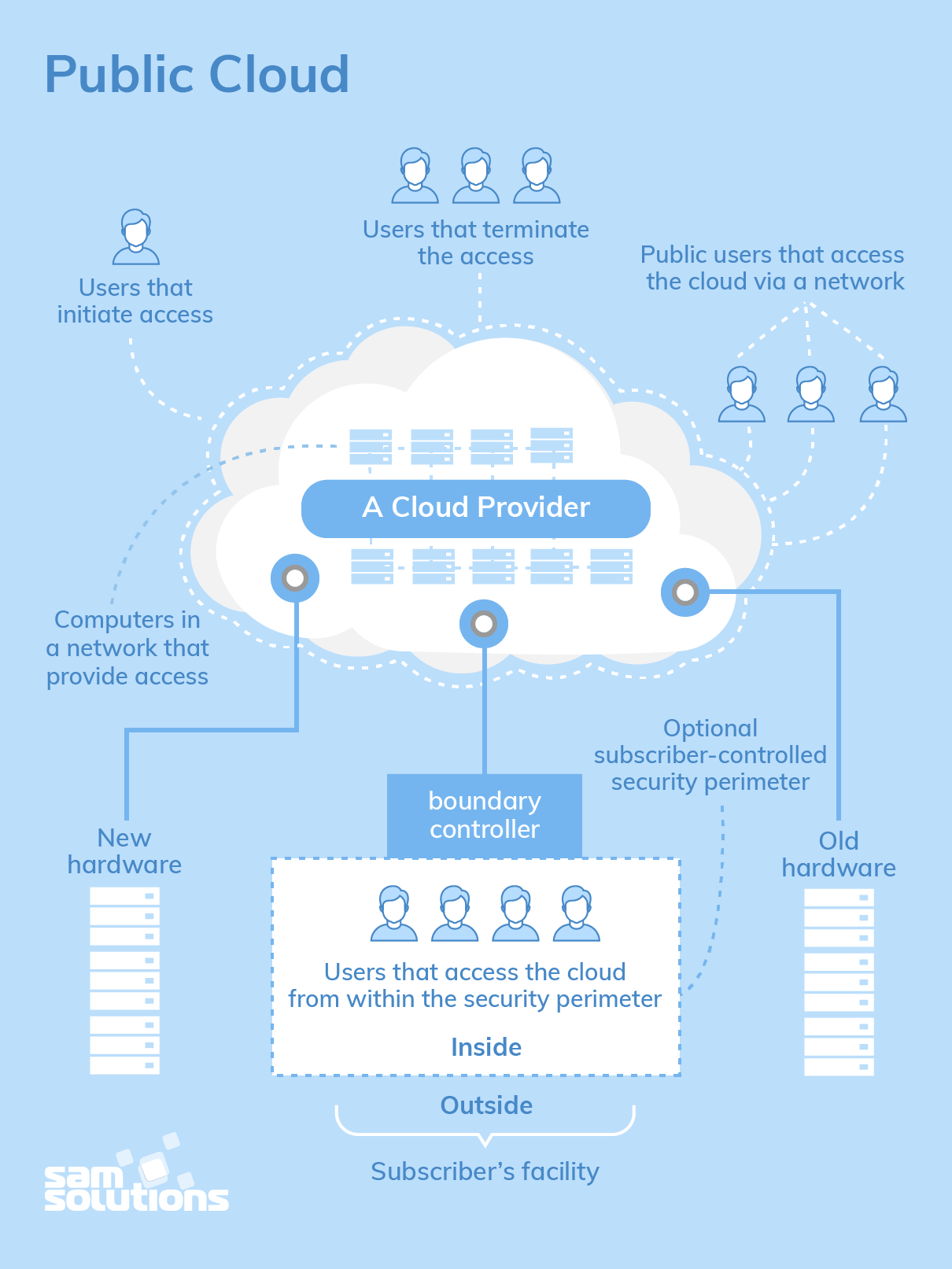
Modern cloud infrastructure deployment
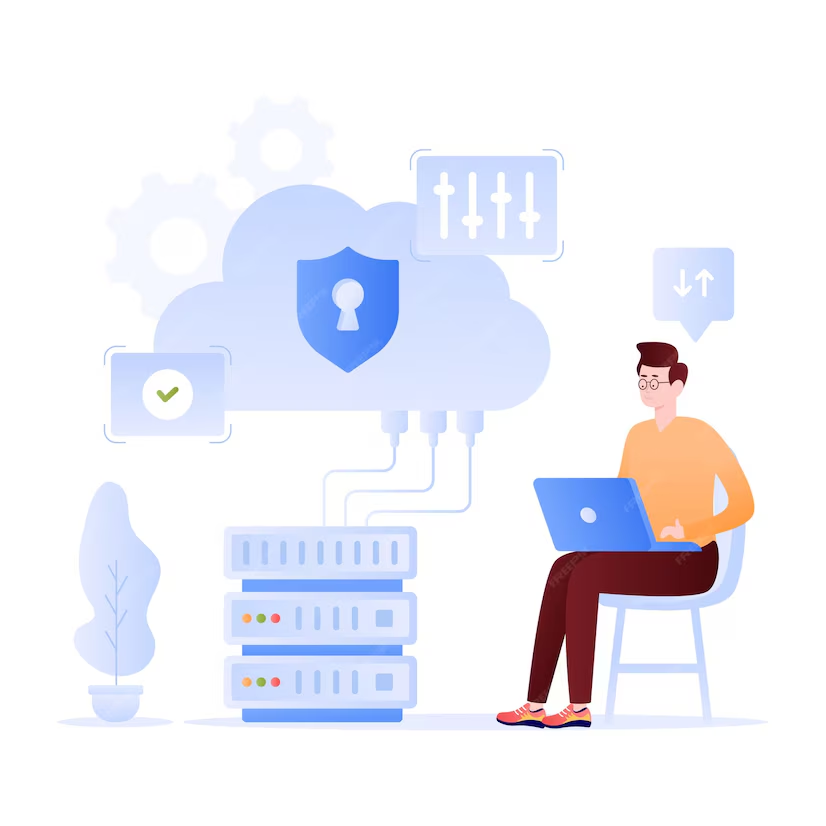
Enhanced security features in cloud environments
Related Resources

Leo
Cloud Solutions Architect